
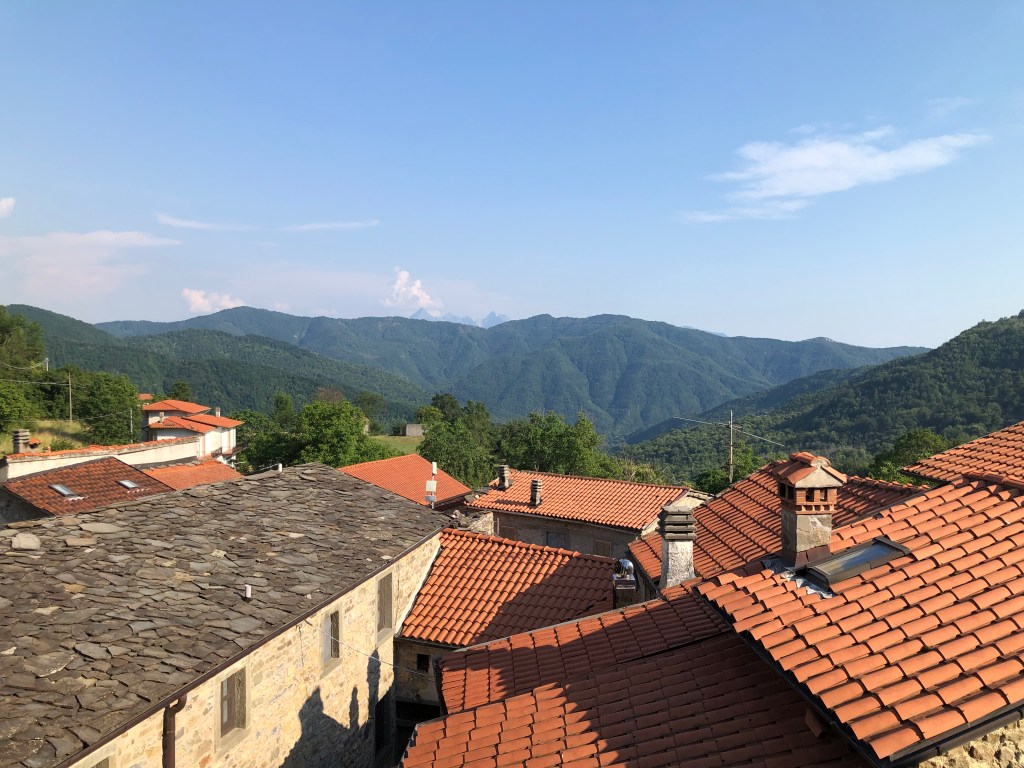
Since the end of World War II, many villages and small towns in Italy have faced the threat of abandonment and decay. Apella and Taponecco seemed destined for the same fate until the vision and dedication of the Maffei family brought new life into this small corner of Toscana.
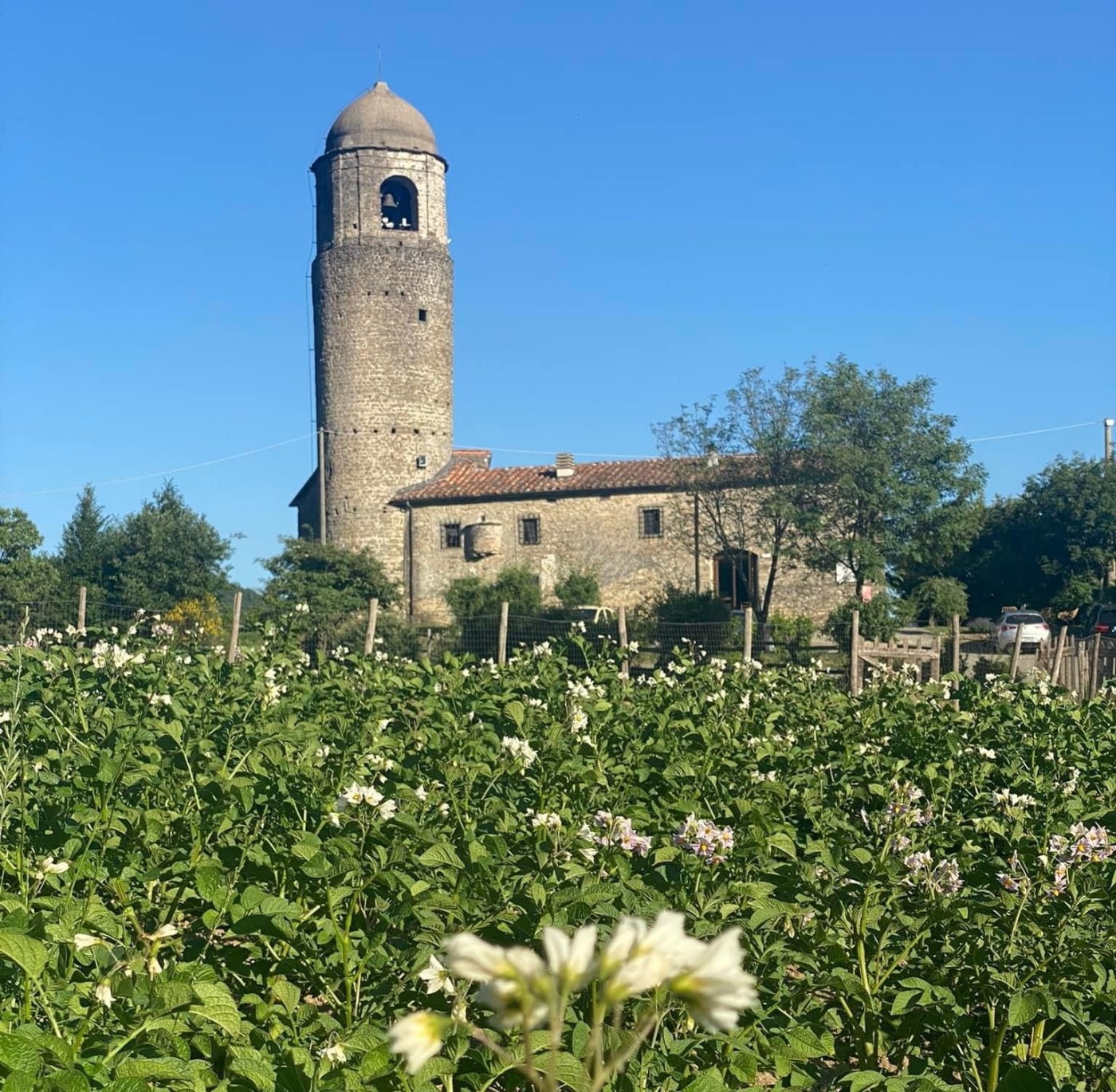
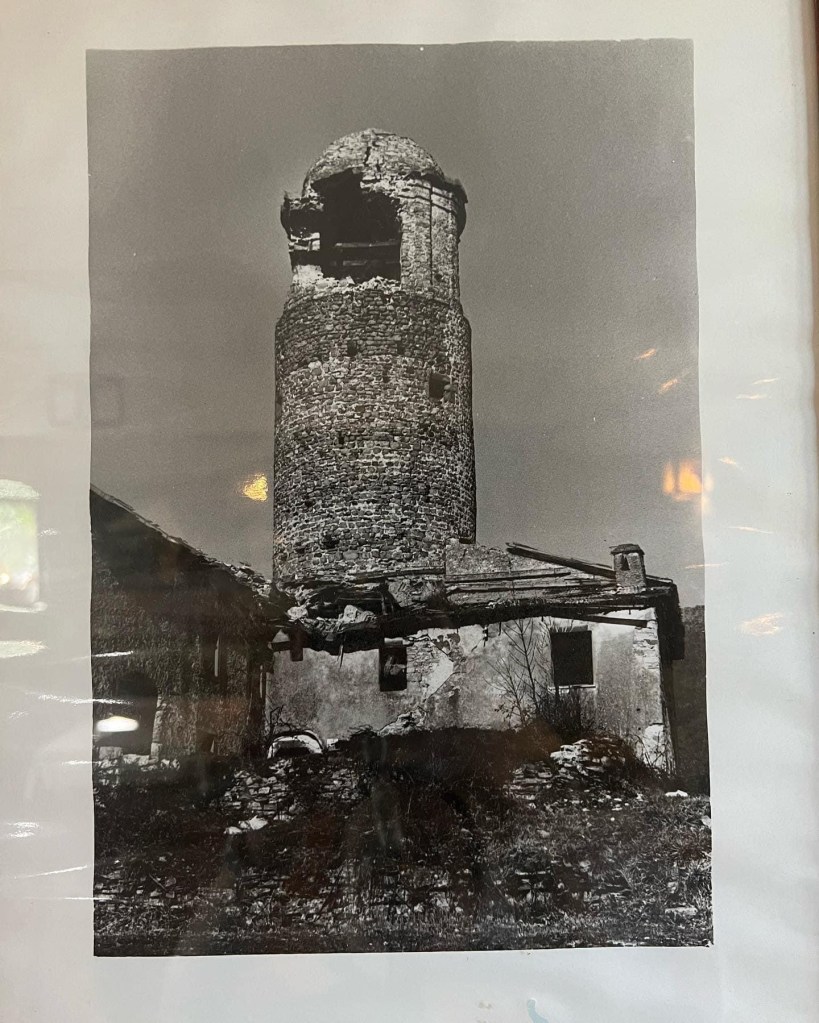
Founded in 1995, ‘Montagna Verde’ was born with Apella’s restored ancient tower ‘La Torre’ as its centrepiece. Believed to have been built some time after 1000 AC, the tower was originally used for military purposes, then later as a monastery and bell-tower. Old photographs detail La Torre’s earlier severe deterioration, but now with the hard work of Mario Maffei and donations from past and present residents around the world, this remarkable tower has become a celebrated landmark in the picturesque Lunigiana region.

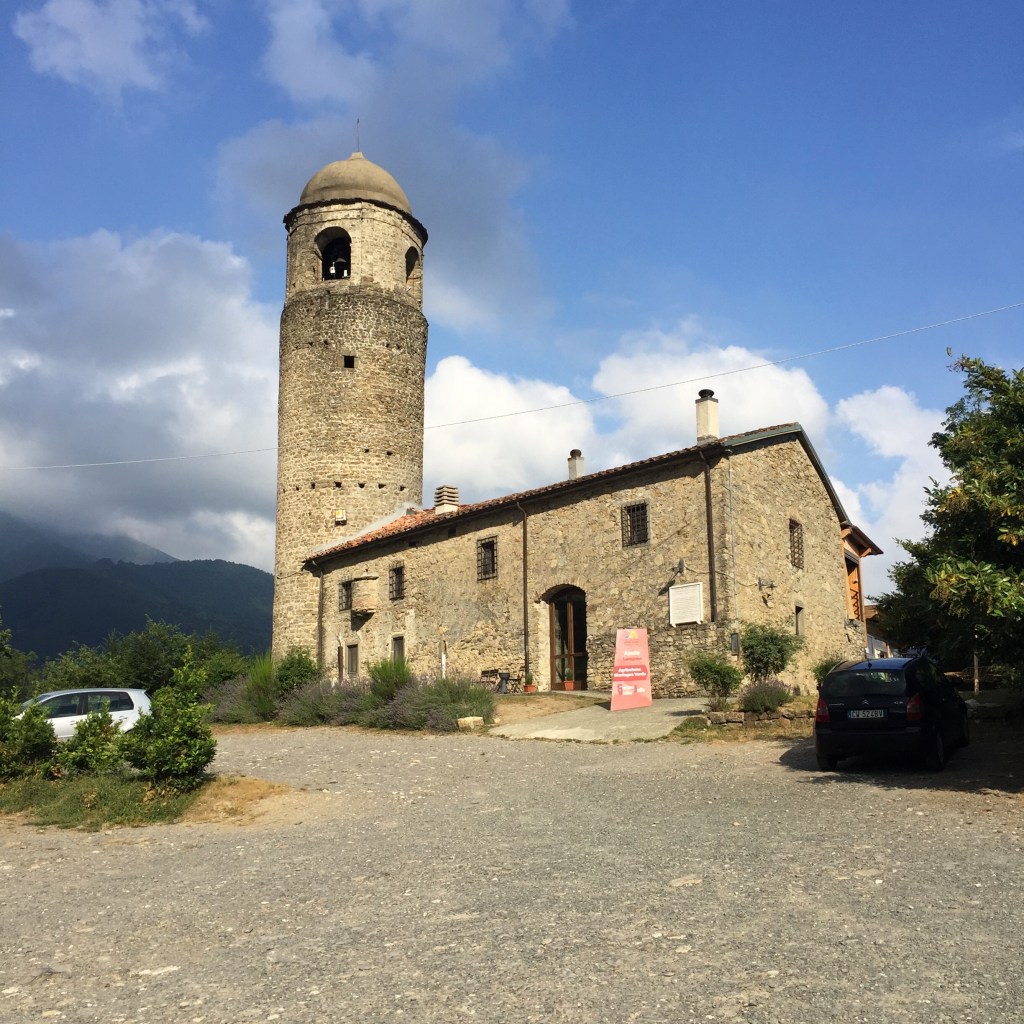
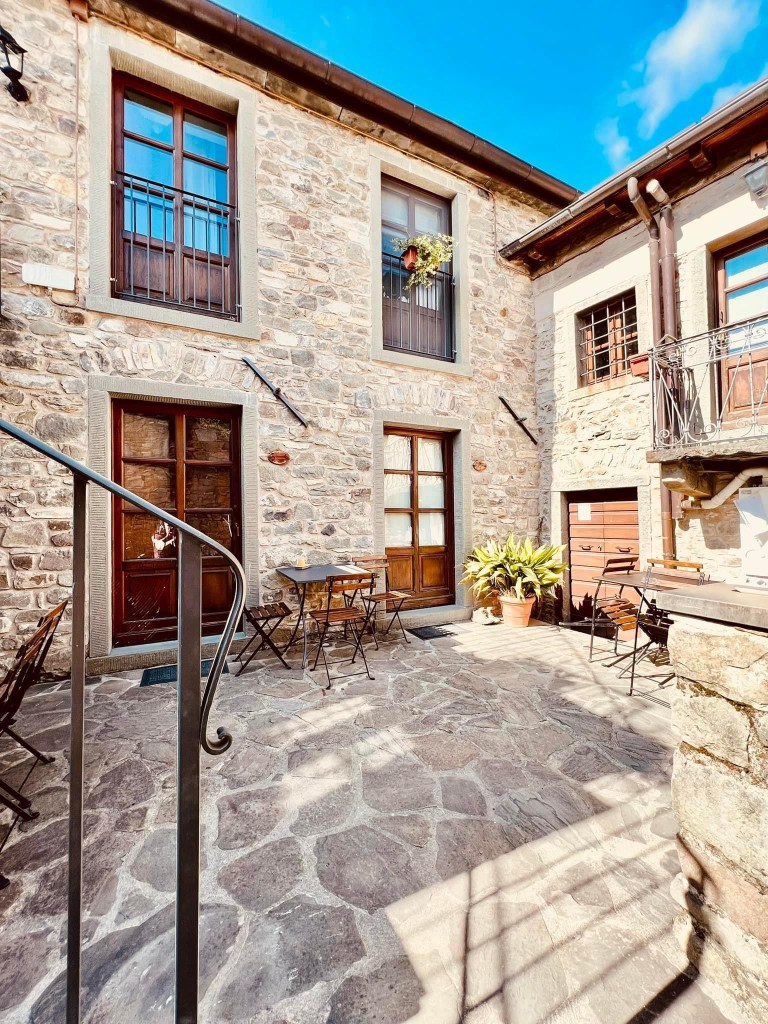
Montagna Verde is an ‘albergo diffuso,’ an Italian concept where guest rooms are spread throughout a historic town or community. Nestled among chestnut forests and vegetable gardens, it also operates as a unique ‘agriturismo,’ combining a working farm with accommodation for hotel guests. The Maffei family’s children, Barbara and Luca, play crucial roles in this success story. Barbara’s entrepreneurial insight and Luca’s culinary expertise contribute to Montagna Verde’s continuous evolution. A large part of their vision is to restore and revitalise the charming houses of Apella, preserving the classic rural Tuscan style.
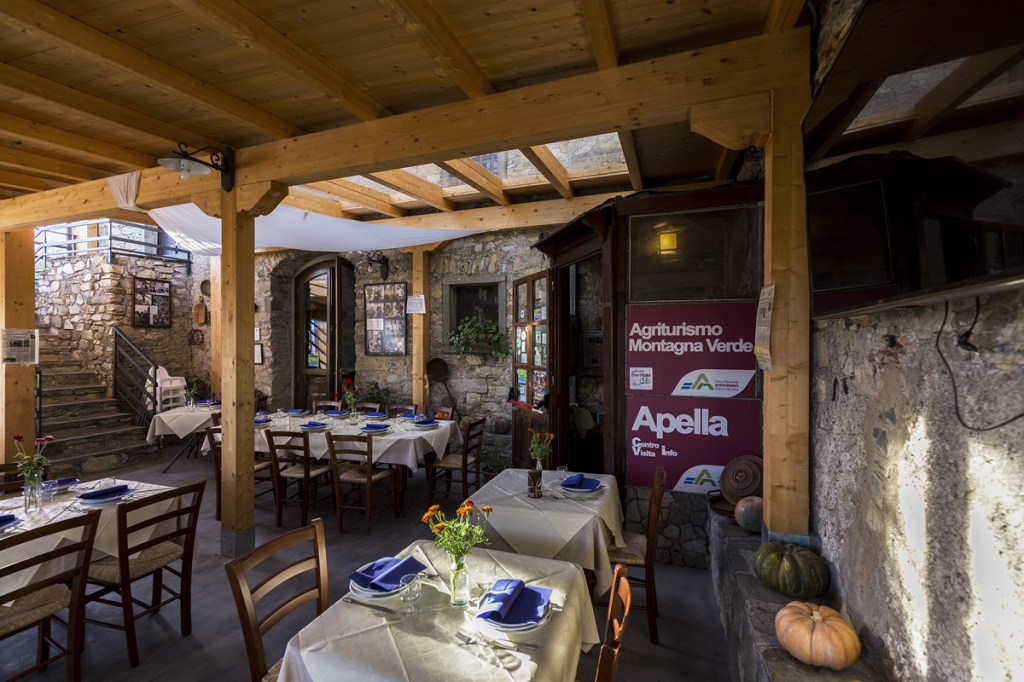
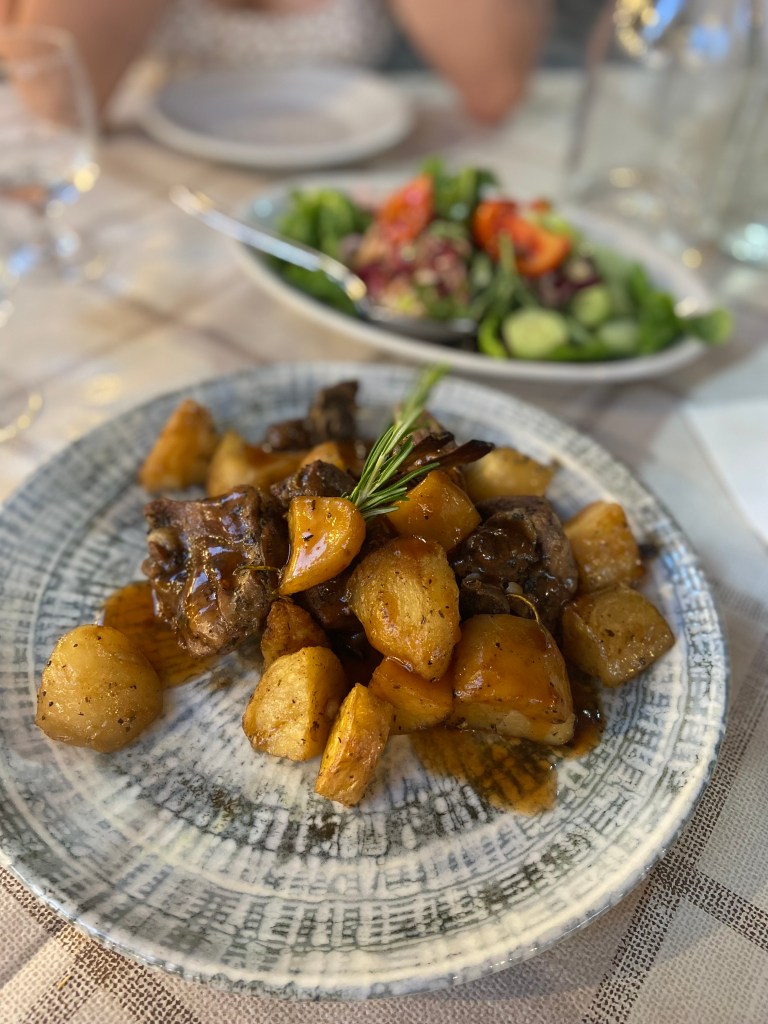
The agriturismo is a sanctuary for nature lovers and adventurers alike, offering a haven for hikers, cyclists, and a biopark for agricultural exploration. Facilities include ‘Natural Smart Working’ fully-equipped work retreats, a resort style pool and a breakfast terrace, all set amongst the stunning mountain landscape. The acclaimed Ristorante La Torre, serves traditional local farm to table cuisine, with ingredients sourced from surrounding cultivated fields and forest, providing a fresh and abundant zero-kilometre supply for the restaurant.
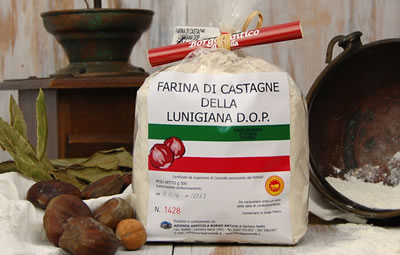
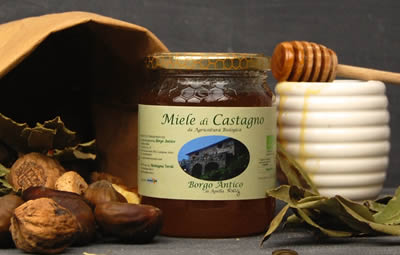
Montagna Verde’s dedicated team supports various activities throughout the village, with the local food production highlighted by the chestnuts that naturally grow in the surrounding forests. Traditional chestnut roasting houses ‘seccatoi’ still operate in Apella, producing Montagna Verde’s Lunigiana DOP accredited chestnut flour. With over 600 hectares of vegetable gardens, pastures, meadows, chestnut woods, and woodlands, the farm exemplifies successful, chemical-free organic farming while preserving local plant varieties and traditional farming methods.
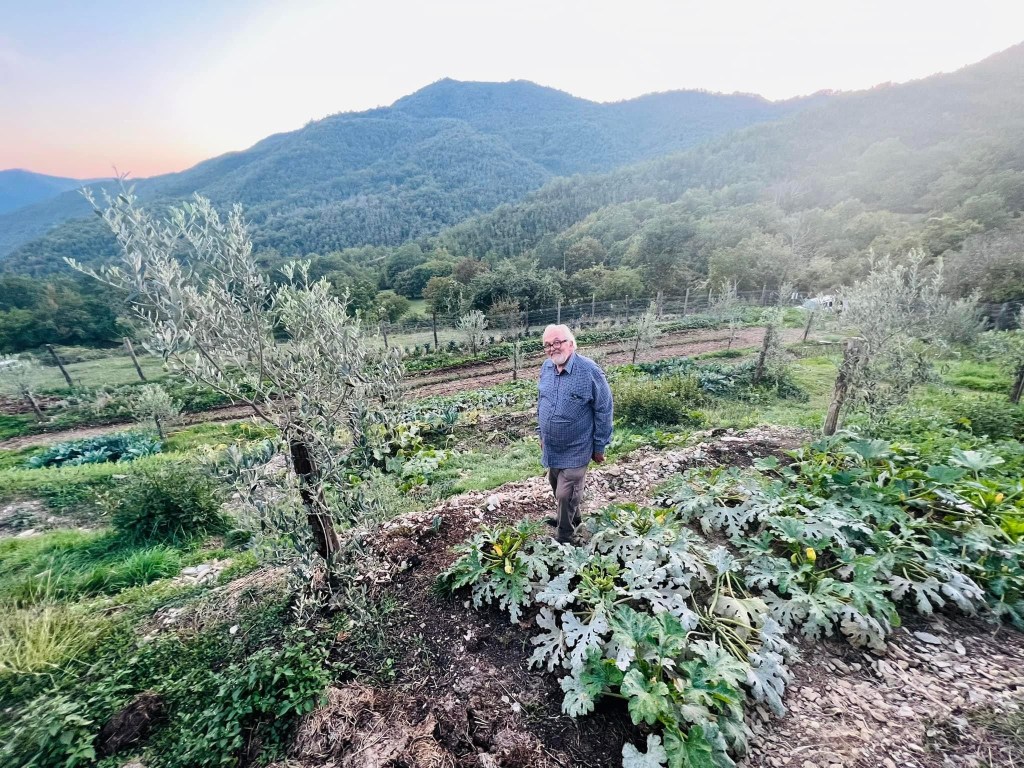
Barbara Maffei was kind enough to share the story and vision of Montagna Verde.
What was the inspiration to start Agriturismo Montagna Verde and what was Apella like at that time?
“We started Montagna Verde about 30 years ago, thanks to the motivation of our father, Mario Maffei. He began to restore the ancient tower, the tower of Apella and Taponecco, which had been reduced to complete ruins.
What motivated Mario was the desire not to give in to the abandonment and neglect in which Apella and its surrounding towns were facing, caused by depopulation post World War II which saw many people and families emigrate to other cities and countries.
The love for the land and the idea of being able to live and work in these places has stimulated both Mario, and us children who have inherited this passion, to see the recovery of stone and ancient houses, see the beauty hidden behind these stones as well as the historical agricultural landscape known for its centuries-old chestnut trees, and the woods and pastures on the Apennines slopes that surround the village.”
What are some of the most unique activities that a guest of Agriturismo Montagna Verde can experience?
“The most important and unique experiences of a guest staying at our Agriturismo include living in an authentic village, amongst private houses and agricultural life, as well as enjoying the products of the land cooked by Luca and his team, tasting unique flavours and historical recipes that have been handed down generations, and discovering the history of a village and its ancient land.”
What are some of the most unique parts of the Museum?
“In the Museum there is a part dedicated to historical memory with tools of the agricultural world and rural life of the generations that preceded us. A very important space is dedicated to displaying images of the emigration from the end of the 1800s till present, and the faces of the people who lived in Apella in past with photographic testimonies. A section is dedicated as a widespread community library, where guests but also passerby and locals in Apella and surrounds can enjoy the amount of publications present: including a collection of books on local history, publications on the landscape and related National Park and Lunigiana but also a part dedicated to fiction and art. Finally a room is dedicated to the two Heroes of the Risorgimento, Biagio and grandson Anacarsi Nardi, (who played a prominent part in the revolts of Modena in 1831 and the revolution and expedition of the Fratelli Bandiera in southern Italy) and from which Licciana was entitled Nardi in 1933.”
What are your hopes for the future of the Agriturismo and its museum?
“I hope there is a development for an expansion of the spaces to create a widespread ecomuseum that has Casa Nardi as its centre, but also concerns all the Upper Valley of the Taverone, with the support of the community, local associations and Fondazione delle Banche.”
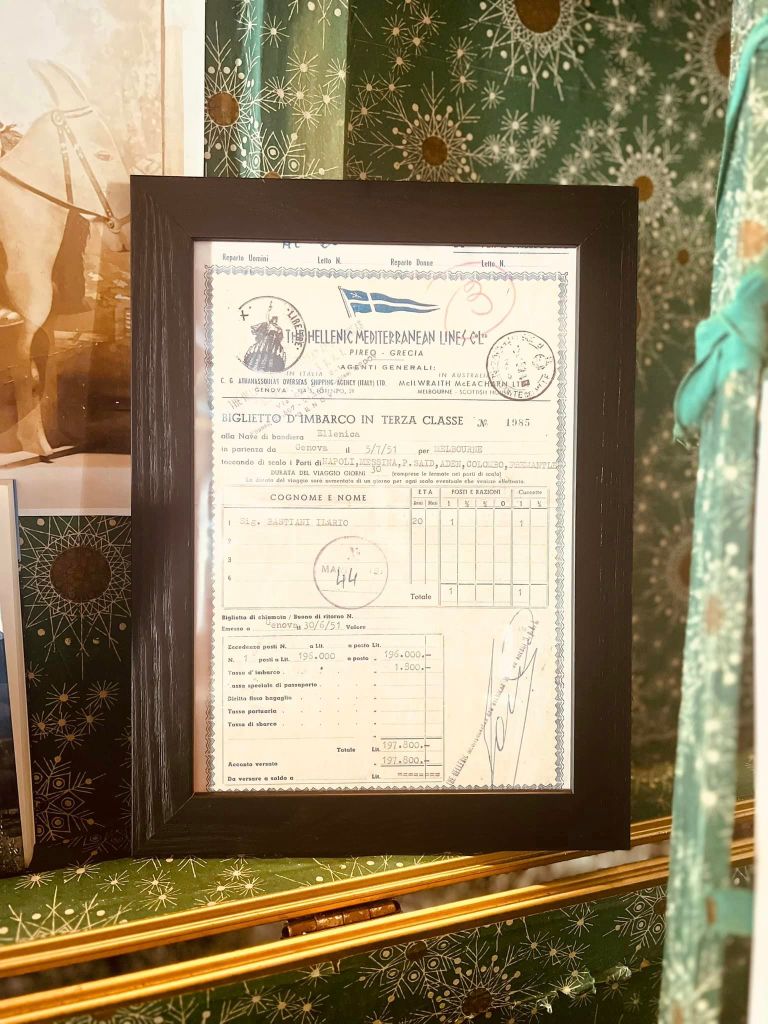
Inside the Casa Nardi museum, a dedicated room honours those who emigrated from Apella and Taponecco. Barbara has curated stories of individuals who journeyed to far-off lands, including America and Australia, paying tribute to their remarkable journeys. She poignantly highlights how these once-great distances have diminished, as many who left and their descendants have returned to their roots, both physically and virtually.
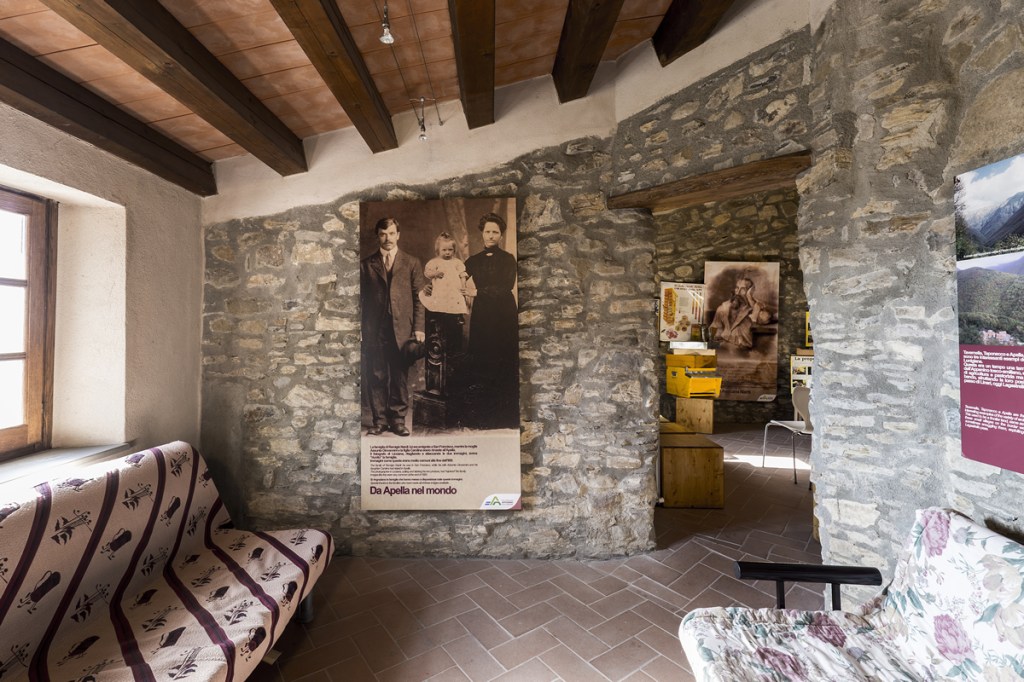
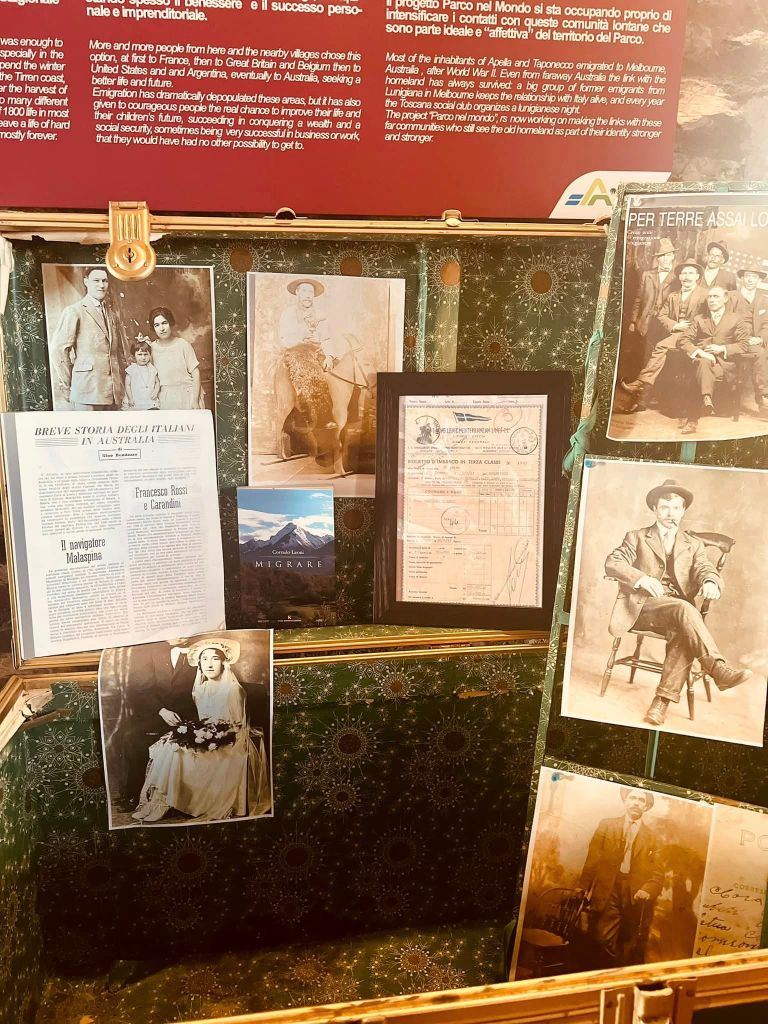
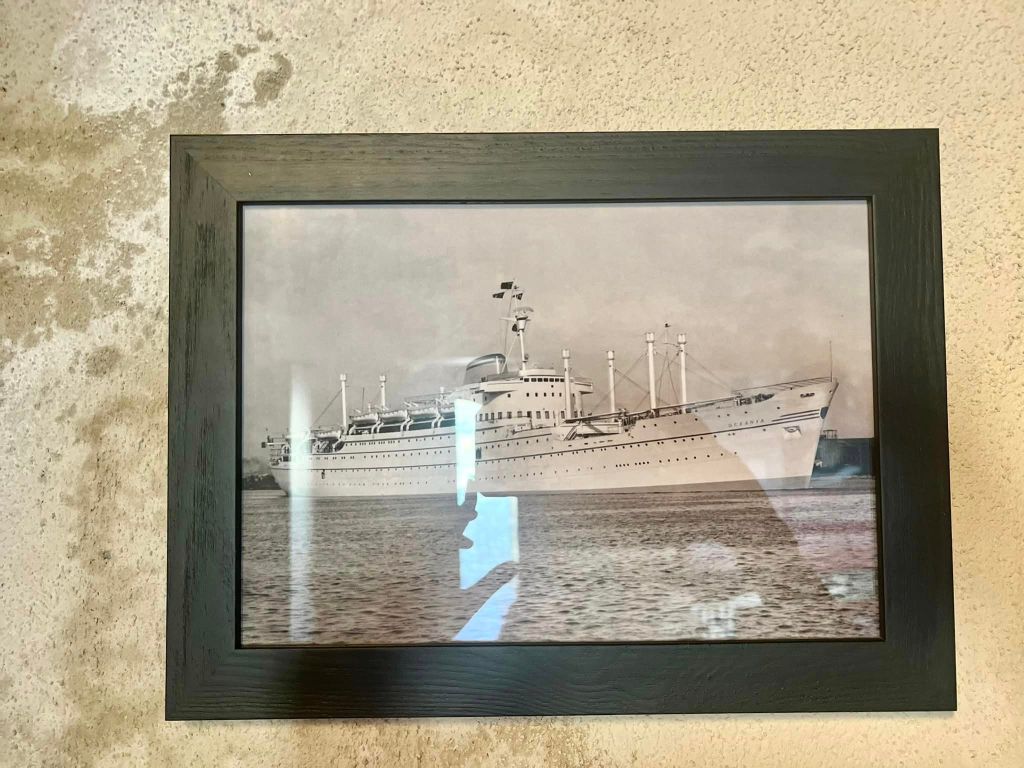
It has been a privilege to personally know the Maffei family, who now carry on the legacy of my grandparents’ homes and seccatoi as part of their agriturismo. I am grateful to Barbara for including my family’s story in the museum’s collection, featuring photographs of my Nonna Elisa’s ship, the Oceania, and my Nonno Ilario’s 1951 ticket to Australia. The ecomuseum continues to develop and preserve stories for future generations.
Local guide Matilde Ferrari who has worked closely with Barbara, kindly shared some words on Montagna Verde;
“Since the structural and functional recovery of la Torre di Apella in the 90s by Mario Maffei, so much work has been done to create what is today a virtuous example of development of the territory and recovery of culinary, agricultural and ethnographic traditions. Mario, Carla, Barbara, Luca, Costanza and Maria Sole are the beating heart of Apella, one of the most fascinating villages in the Upper Valley of the Taverone. Believing in the vision and dream of Mario, the whole family, in time and with time, has been able to give voice back to these ancient lands of history and culture that would otherwise have remained quiet, without recorded memories and eternally lost.”
The warmth and hospitality of the Maffei family is something else. Their business isn’t just about checking in and out; it’s about appreciating what they have and making the most of it. Connecting with the environment and sharing it with locals and visitors. Preserving and sustaining the village and its rural way of life.
The restored houses evoke a sense of nostalgia, and the leisurely evening walks to La Torre step you back in time. The museum and biopark respect and honour the past, while teaching you about the present. Lunches and dinners bring joy and anticipation, often brightened by a chat with Mario, who regularly makes his rounds to greet all his guests.
After just one night’s stay, you feel like a part of their community. When you leave, you carry with you a treasure trove of cherished memories and experiences. Even years later, you’ll find yourself reminiscing about your time at Montagna Verde.
The agriturismo has enlivened Apella and Taponecco, providing a vibrant celebration of what makes this unique corner of Toscana special. By connecting farm to table with traditional recipes, offering opportunities to explore the pristine landscape, and engaging with the local elders to delve into their rich history, the Maffei family has crafted a truly remarkable tribute to the region.
Credit:
Photos by Agriturismo Montagna Verde, Barbara Maffei and Kyla Green.
Thanks to Barbara Maffei and Matilde Ferrari for helping to bring this article together.
Interviews were translated from Italian into English.
By Charles Aitken

 Italian Soul
Leave a comment